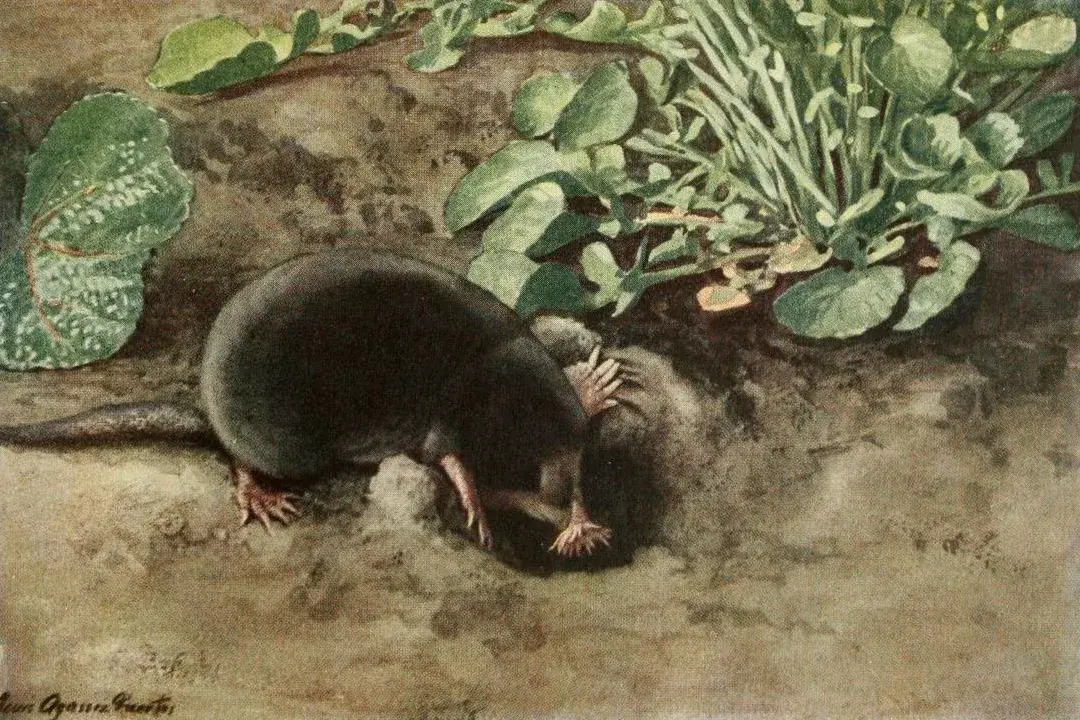
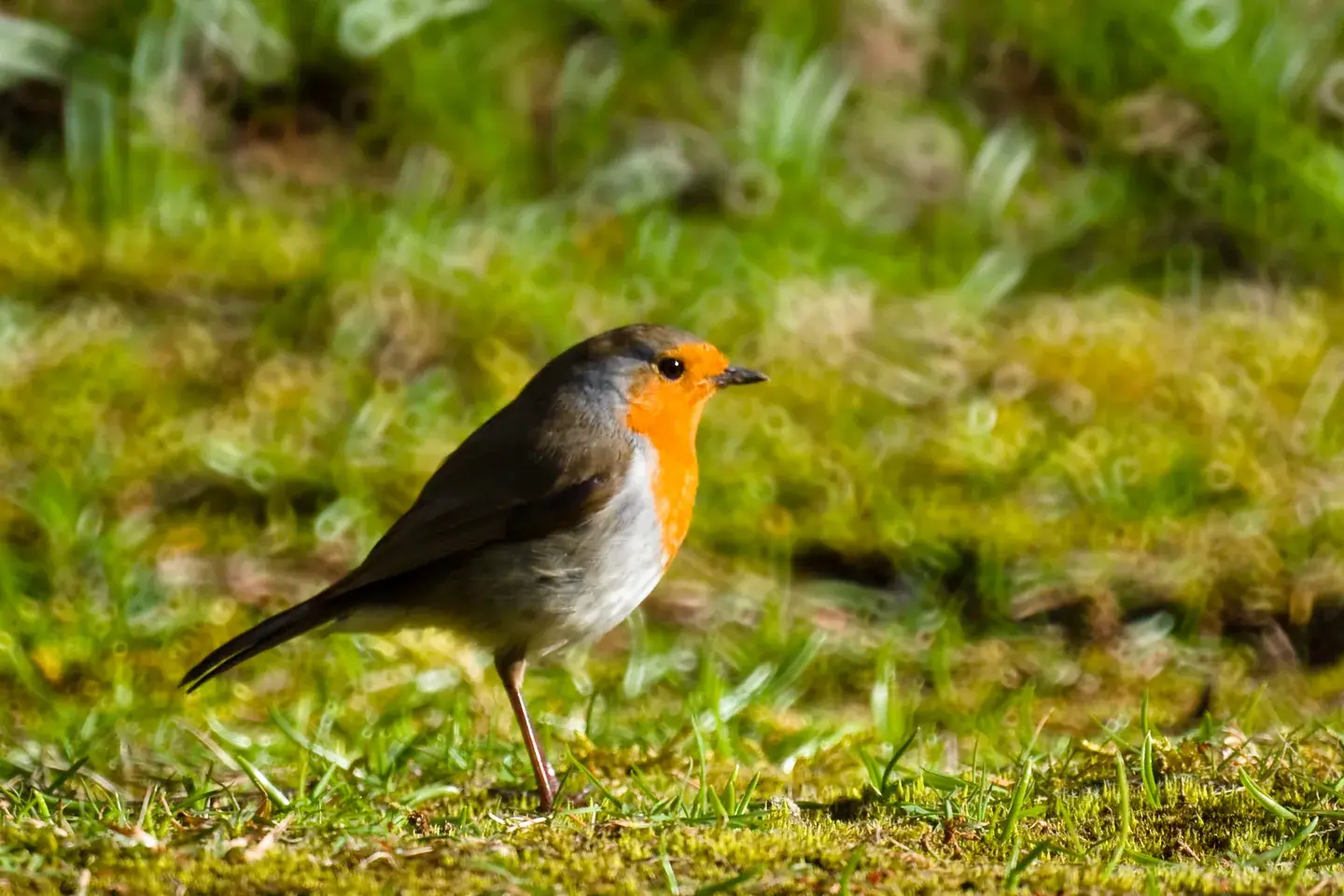
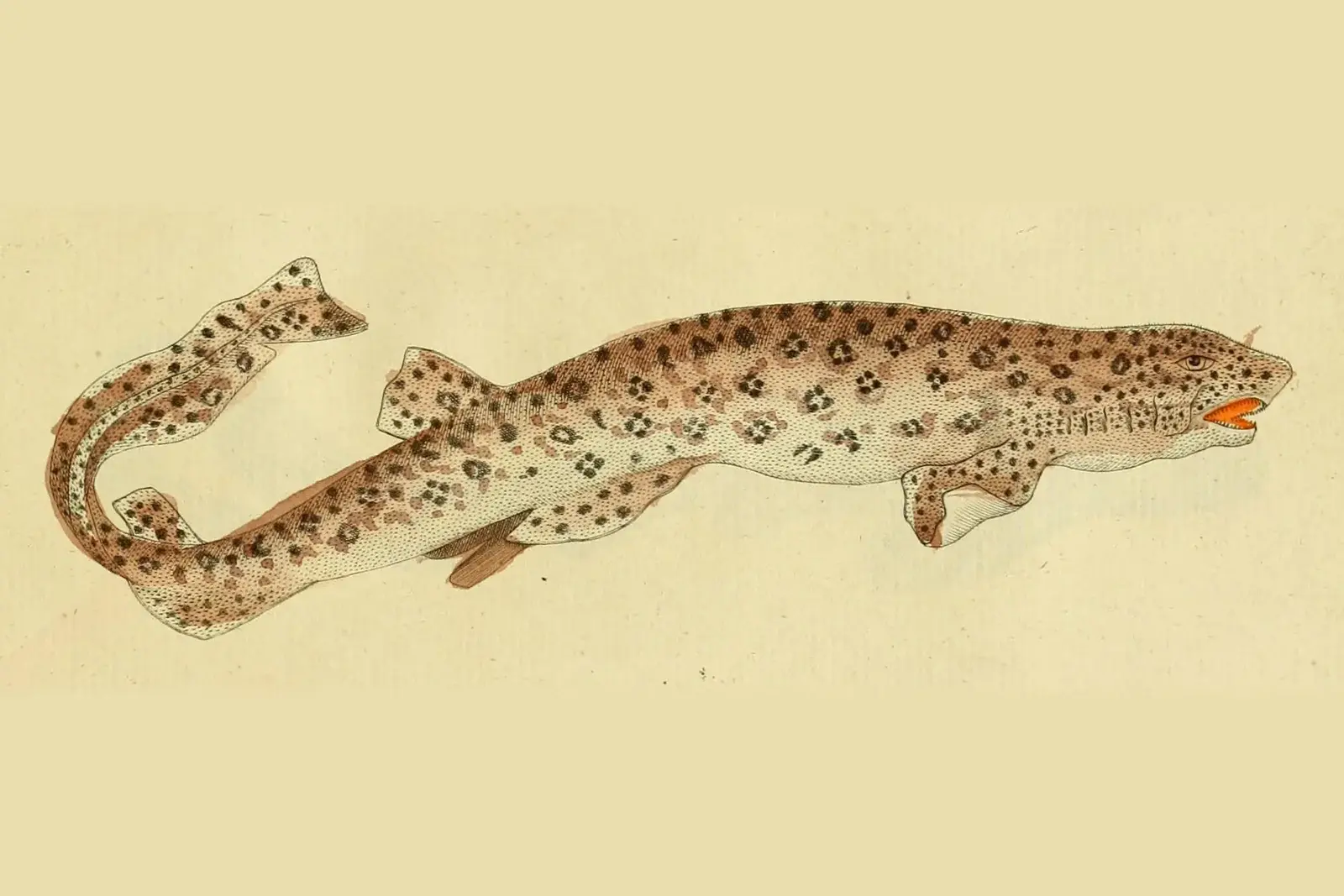
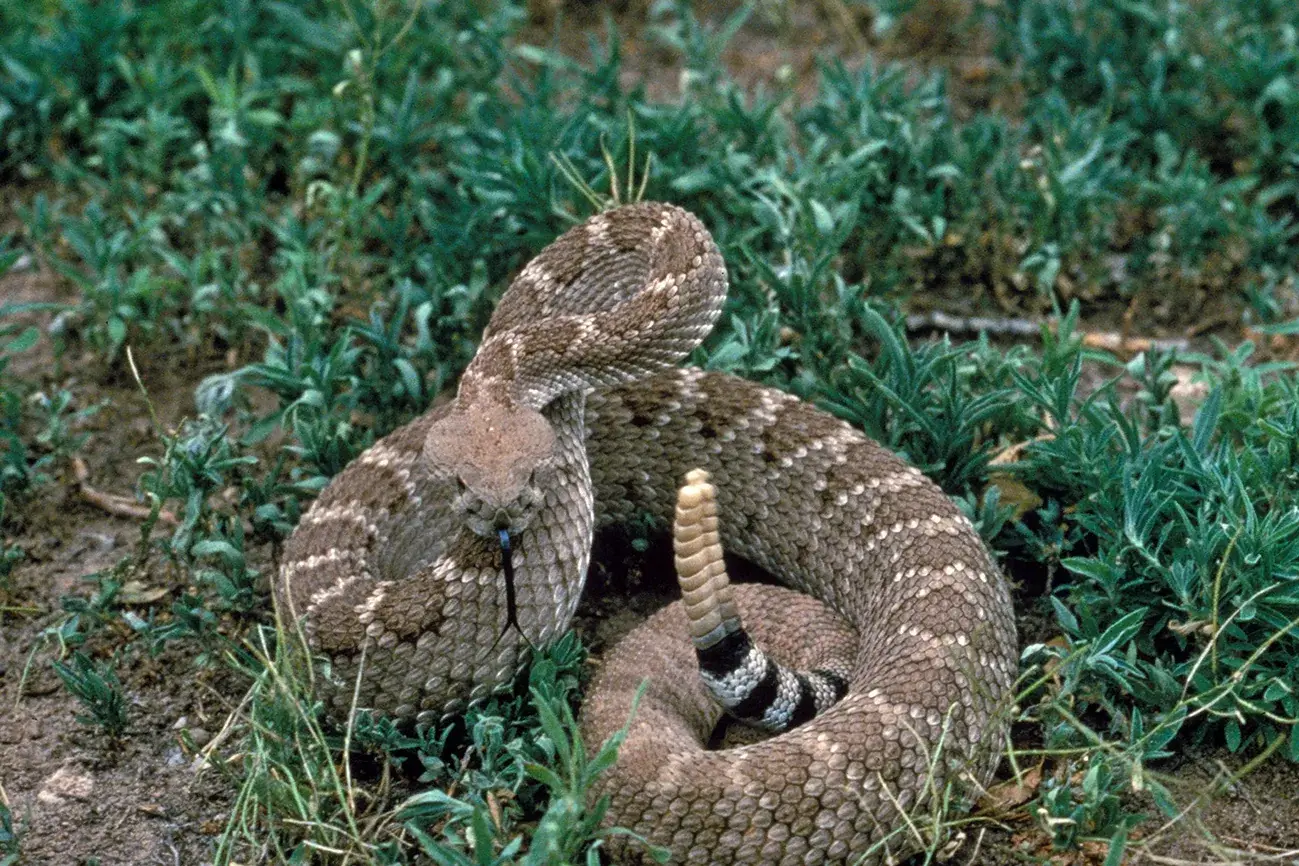
Senses humans do not have, and how their receptors work: the magnetic compass of migratory birds, electroreception through the ampullae of Lorenzini, the heat-sensing pits of pit vipers and the touch organ of the star-nosed mole. Every sense figure states its model level and its input data, and none claims to reconstruct an animal's inner experience.
The star-nosed mole's 22 nose rays carry about 25,000 touch domes. In Catania's 2011 review, its quickest find-and-eat of a small prey item takes about 120 ms.
Picture credit
"Star-nosed mole, Condylura cristata (Wild Animals of North America, page 563), card crop" by Louis Agassiz Fuertes, in E. W. Nelson, Wild Animals of North America (National Geographic Society, 1918); scan from the Biodiversity Heritage Library — https://commons.wikimedia.org/wiki/File:Condylura_cristata_(Wild_animals_of_North_America_-_Page_563).jpg — Public domain (published 1918 in E. W. Nelson's Wild Animals of North America (National Geographic Society, Washington); public domain in the US (published before 1931); EU: the painter, Louis Agassiz Fuertes, died in 1927 per the Project Gutenberg catalog record for this book (eBook #59475: Fuertes, Louis Agassiz, 1874-1927, illustrator), so the life-plus-70 term ended at the end of 1997; file page also tags PD-old-70-expired and PD-scan; upstream not traced); modified: crop of the whole plate star-nosed-mole-fuertes-1918 (the page's first image): cropped to 3:2 (1080 x 720 px from the 1158 x 845 px file) to remove the printed plate title and the plate border; saved as WebP; no color change
"European Robin (Erithacus rubecula)" by David Croad — https://commons.wikimedia.org/wiki/File:European_Robin_Erithacus_rubecula.jpg — CC BY 3.0 (https://creativecommons.org/licenses/by/3.0/); modified: cropped to 3:2 (top and bottom grass trimmed, bird whole), resized to 1440 px wide and converted to WebP
"Squalus canicula (Ichthyologie, plate 112)" by Marcus Elieser Bloch — https://commons.wikimedia.org/wiki/File:Ichthyologie;_ou,_Histoire_naturelle_des_poissons_(Plate_112)_(6918377788).jpg — Public domain (published 1796 in Bloch's Ichthyologie, ou Histoire naturelle des poissons; public domain in the US (published before 1931); EU: Bloch's death year not verified from a library or Project Gutenberg catalog record, so this rests on publication in 1796 and the file page's PD-old-100-expired tag; scan tagged PD-scan (and CC BY 2.0) on the file page; upstream not traced); modified: cropped (box 110,335,2190,1110 of the 2,283 x 1,342 px original) to remove the plate number, the title lettering at top right and the engraver's line at bottom left; the whole fish is inside the crop, padded above and below with a flat fill of the plate's paper color (RGB 235,221,174, the median of the crop's outer rows; 24 edge rows blended into it) to 3:2 (2,080 x 1,387 px); the plate itself is not retouched, resized to 1600 x 1067 px WebP
"Western Diamondback Rattlesnake (Crotalus atrox) in New Mexico" by Gary Stolz, U.S. Fish and Wildlife Service — https://commons.wikimedia.org/wiki/File:Crotalus_atrox_USFWS.jpg — Public domain (work of a US federal employee (U.S. Fish and Wildlife Service) made in the course of official duties, 17 U.S.C. §105; file page template PD-USGov-FWS; outside the US: rests on the same federal public-domain status as tagged on the file page, no separate agency statement read; upstream not traced (USFWS National Digital Library)); modified: the Commons file is a version edited from Gary Stolz's original by Pharaoh Hound (uploaded 25 November 2006, per the file page), cropped to 3:2 (1299 x 866, centered; 8 px off the top and 9 px off the bottom, 1 px off the right edge) for the card; saved as WebP, no resizing
Count this visit in Google Analytics?Yes lets Google Analytics set a cookie that records the pages opened, the page that led here, the device type and a rough location. Cloudflare Web Analytics counts visits without cookies either way, and the site carries no ads.What is counted