Skip to the page
Animal BrainworkHow animals think, sense, and find their way.

Branch 04

Navigators

How an animal finds its way by sun, stars or the magnetic field

How animals find their way over long distances: the monarch butterfly migration and its clock-compensated sun compass, dung beetles steering by the Milky Way, night-migrating birds reading the turning sky, and loggerhead hatchlings reading the tilt of Earth's magnetic field. Sun, star and field-line figures are computed by the site's own programs. Human navigation and the history of astronomy are not covered.

4 articles; the starting article is first

Myth, retested

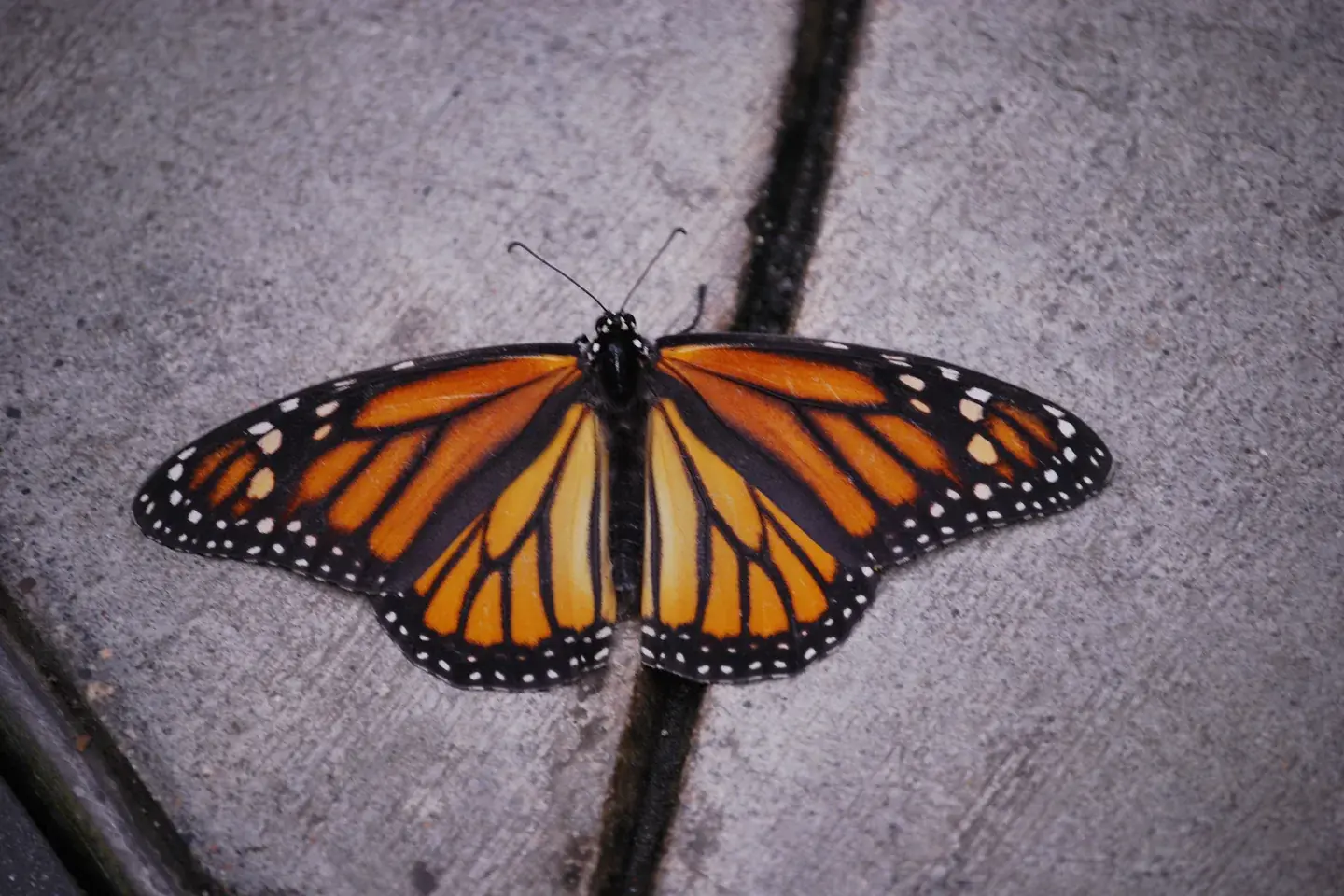
Monarch butterfly, Danaus plexippus, resting with its wings spread flat on gray pavement

Monarch Butterfly Migration: A Sun Compass on Clock Time

For eastern North American monarchs, the trip to Mexico and back takes several generations; USFWS says the migrating super generation lives up to eight months.

Picture credit

"Monarch butterfly" by Cs california — https://commons.wikimedia.org/wiki/File:Monarch_butterfly.JPG — CC BY 3.0 (https://creativecommons.org/licenses/by/3.0/); modified: cropped to 3:2 (3870 x 2580 px centered in the 3872 x 2592 px original: 1 px off each side, 6 px off top and bottom; butterfly whole), resized to 1440 x 960 px and saved as WebP; no color change
  1. Sense and mechanism

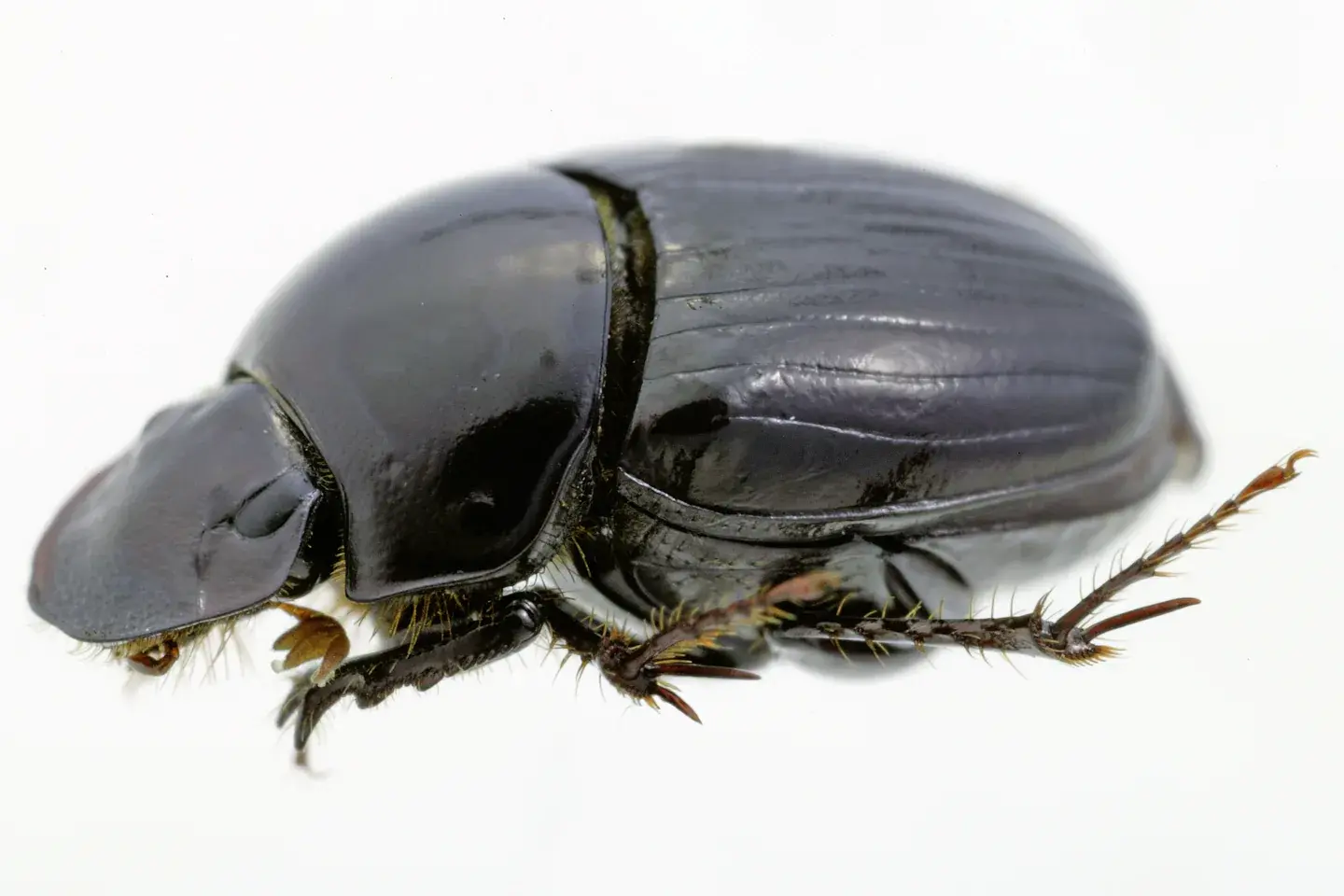
    A dung beetle, Onthophagus chepara, in side view on a plain white background, black shell with grooved wing covers

    Dung Beetle Milky Way: One Species Shown Using It as of 2017

    Picture credit

    "Onthophagus chepara - Dung Beetle" by David McClenaghan / CSIRO — https://commons.wikimedia.org/wiki/File:CSIRO_ScienceImage_273_Onthophagus_chepara_Dung_Beetle.jpg — CC BY 3.0 (https://creativecommons.org/licenses/by/3.0/); modified: side margins cropped to 3:2 (2194 x 1463 px from the 2338 x 1463 file; whole beetle kept), downscaled to 1440 x 960 px WebP, cropped by Materialscientist: the current Commons version, uploaded by Materialscientist on 20 September 2014 (comment "crop"), crops the 2,657 x 1,768 px CSIRO upload of 17 September 2014 (File Upload Bot) to 2,338 x 1,463 px, per the file history; that version is the one used

  2. Experiment story

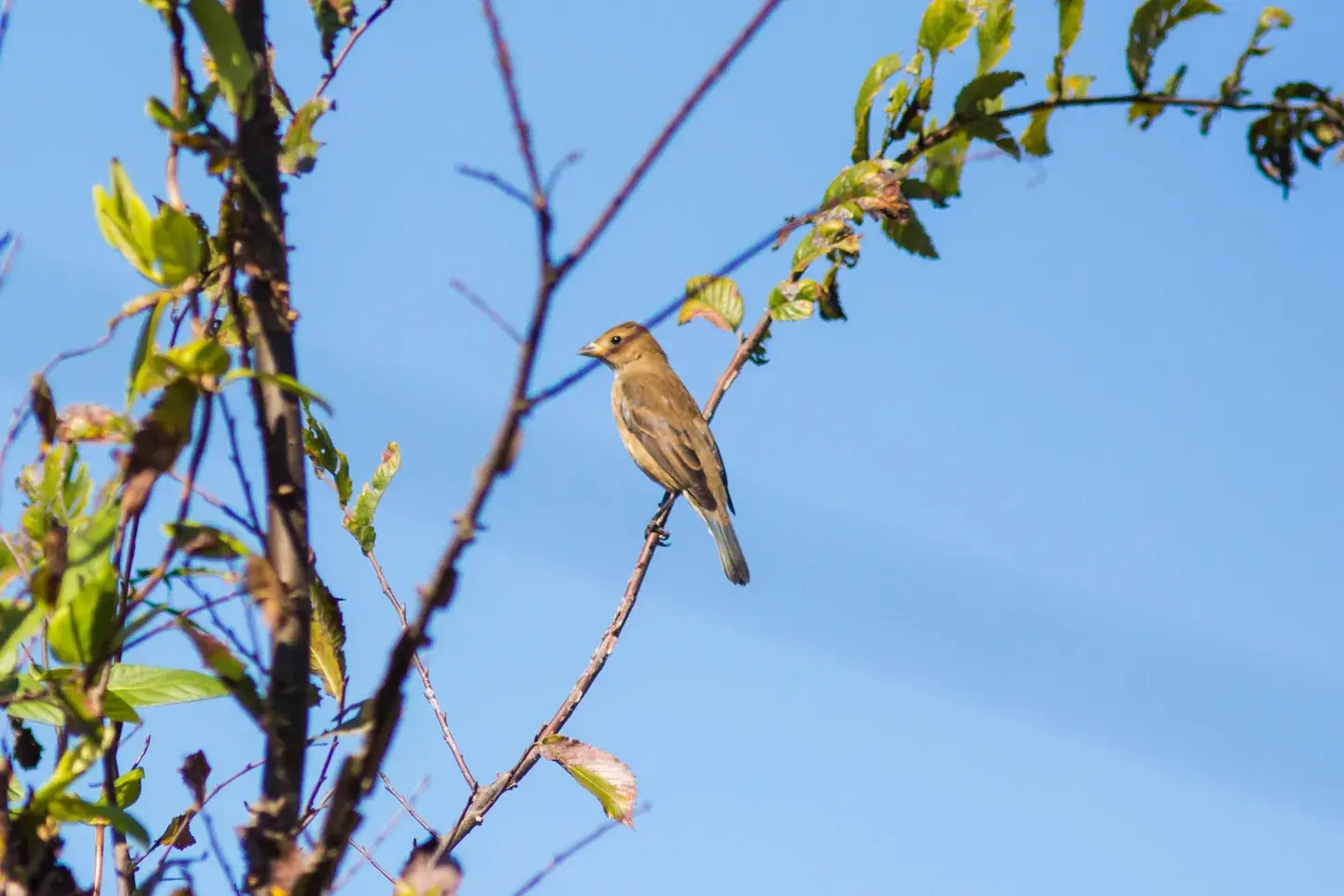
    A small brown songbird, labeled an indigo bunting on its file page, perched on a thin branch against a clear blue sky

    How Do Birds Navigate? A 2017 Review’s No-Clock Star Compass

    Picture credit

    "Indigo bunting" by Melissa McMasters from Memphis, TN, United States — https://commons.wikimedia.org/wiki/File:Indigo_bunting_(30223488245).jpg — CC BY 2.0 (https://creativecommons.org/licenses/by/2.0/); modified: cropped to 3:2 around the bird (2880 x 1920 px from the 5760 x 3840 original), downscaled to 1440 px wide WebP

  3. Experiment story

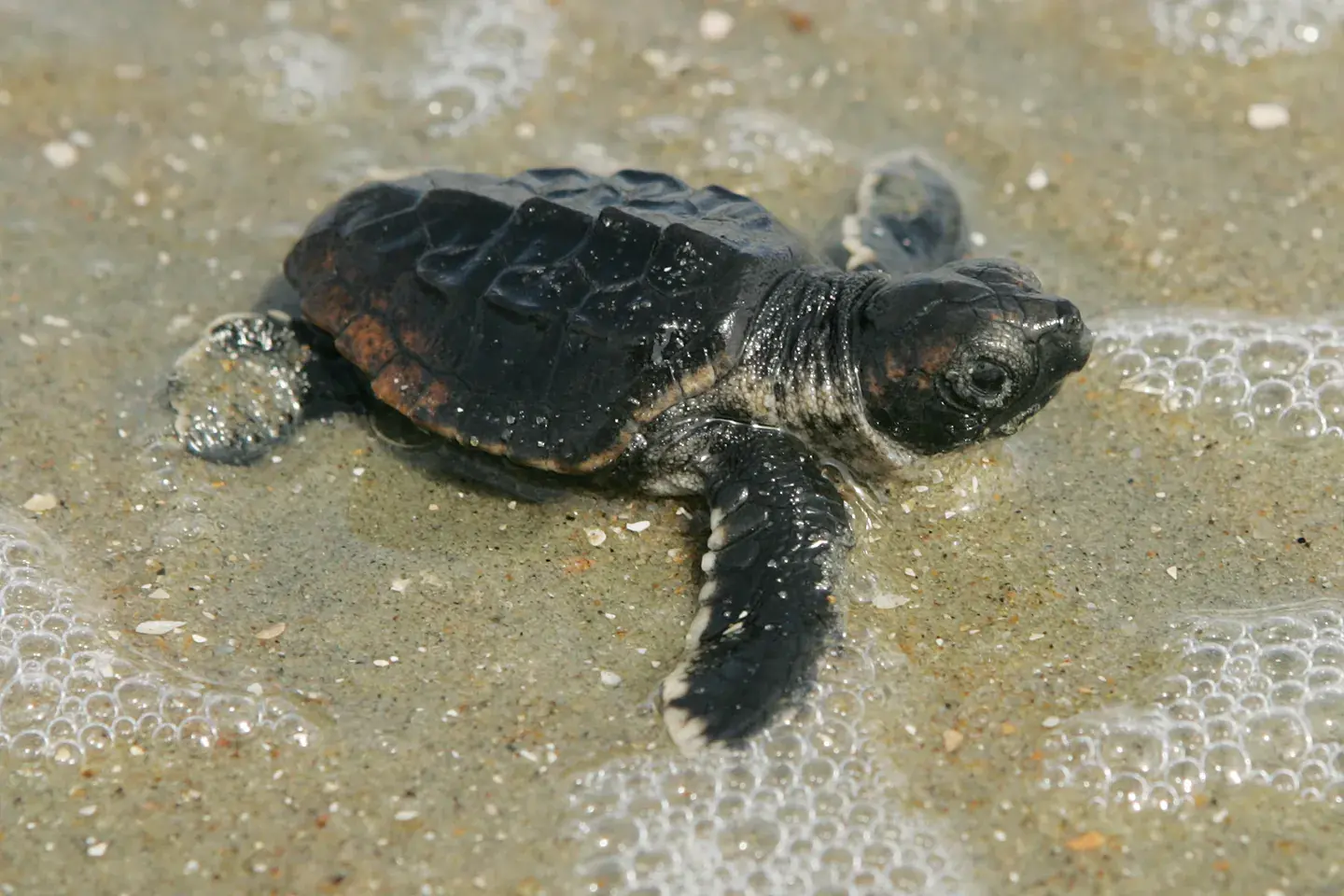
    A loggerhead sea turtle hatchling, Caretta caretta, crawling through wet sand and foam at the water's edge

    Sea Turtle Navigation: Coil Tests Point to Magnetic Cues

    Picture credit

    "Loggerhead hatchling at Cape Romain Refuge" by Steve Hillebrand/USFWS — https://www.fws.gov/media/loggerhead-hatchling-cape-romain-refuge-0 — Public domain (work of a US federal employee (U.S. Fish and Wildlife Service) made in the course of official duties, 17 U.S.C. §105; outside the US: the USFWS media page itself lists the license as Public Domain (read 2026-11-23), with the credit Steve Hillebrand/USFWS); modified: cropped to 3:2 (full width, rows 74 to 1426 of 1500), resized to 1440 px wide and saved as WebP